
Finding a syntax error is different from understanding the value an expression produces. An expression evaluates to a value; a statement forms an executable unit; an operator acts within an expression. If an error mentions syntax or a signature, first locate the layer of code it refers to.
Key terms
An expression produces a value, a statement is an executable unit, syntax governs how code is written, and an operator performs an operation within an expression.
| Term | Meaning |
|---|---|
syntax / statement / expression / operator / signature | Syntax is the grammar of code; a statement is an executable construct; an expression evaluates to a value; an operator performs an operation. A function or method signature identifies a callable through a language-specific combination of name and parameters. Whether the return type is part of a signature depends on the language. |
delimiter / separator | A delimiter marks a boundary in data or text; a separator divides items. The two words overlap in some contexts. |
log | A record of system events or states, or the act of writing such a record. |
stack (noun and verb) | As an everyday noun or verb, a pile or the act of piling things up. In computing, also a specific last-in-first-out data structure or a call stack. |
token | A unit of text recognized by a parser or protocol. In other contexts it can mean a credential, marker, or control symbol; identify the domain before interpreting it. |
optimize | Improve a result under a chosen goal or constraint, such as speed or memory use. |
Terms to distinguish
| Term | Meaning |
|---|---|
normalize | Convert toward a standard form, or reorganize data according to normalization rules, depending on context. |
cheatsheet | A concise reference sheet of commands, concepts, or usage. |
usage | How to use a feature, command, or API, or how much of a resource is used. |
unknown | Not known or identified yet. |
misc / miscellaneous | Items that do not fit the named categories; varied or uncategorized. |
description | Text explaining an object's purpose, properties, or behavior. |
Terms in code
| Term | Meaning |
|---|---|
brief | A short overview or summary; as a verb, to give someone a concise explanation. |
feature | A capability or characteristic a product or program provides. |
via | Through or by way of a route, method, or intermediary. |
required | Must be supplied or satisfied, as with a field, parameter, or dependency. |
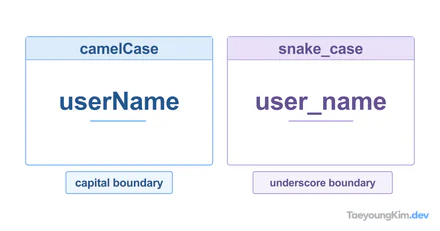
prefix / suffix | A part added before or after another word or string. re- in restart is a prefix; -able in nullable is a suffix. |
release | A version of software made available, or the act of making validated changes available to users or an environment. |
Reading a technical document
A syntax error points to code form, while an expression's value concerns what the code evaluates to. Identify the layer before changing the code.
When unfamiliar terms cluster together, separate rules for writing code from units that execute and values that result. Read a function's signature according to the language, not an assumed universal format.
Key takeaways
Keep code form, meaning, and execution units separate.
- syntax / statement / expression / operator / signature — Grammar, executable construct, value-producing construct, operation, and callable identity are different layers.
- unknown — Not yet known or identified.
- release — A software version made available, or the act of making it available.