

Engineering Blog
Concept-first explanations followed by implementation, testing, delivery, and operational evidence.
Articles
176 total
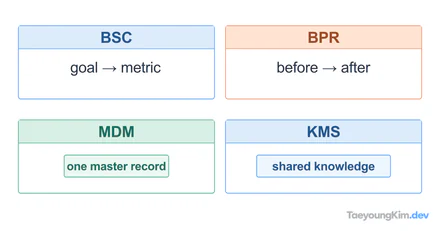
Business management vocabulary: BSC, BPR, MDM, KMS, and legacy terms
Read business frameworks and master-data terms separately from product names and local programs that may have changed.
CS3 min
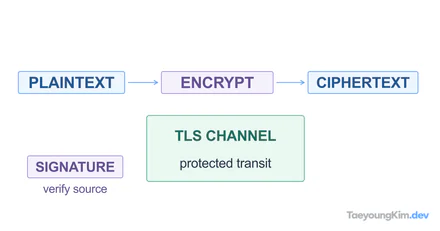
Cryptography and Privacy Terms: Encryption, RSA, Signatures, TLS
Distinguish confidentiality, digital signatures, symmetric and public-key encryption, and the roles of HTTPS and TLS.
Security3 min
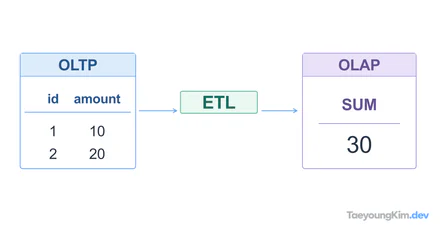
Data and database operations vocabulary: ETL, OLTP, OLAP, and replication
Distinguish analytical data stores, transaction workloads, metadata, tuning, replication, and SQL integration tools.
DB/SQL4 min
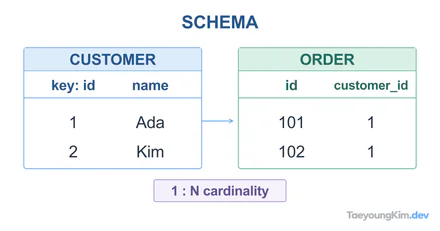
Data modeling vocabulary: Cardinality, keys, relations, and schemas
Learn how cardinality, constraints, keys, relations, tuples, schemas, and database views fit into a data model.
DB/SQL4 min
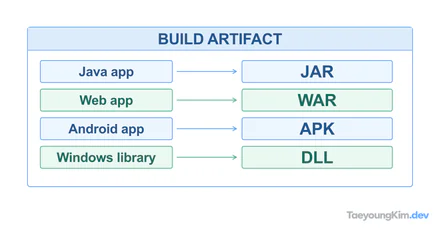
JAR, WAR, APK, DLL, Exception, and Stack Trace: Deployment Terms
Identify deployment file formats by platform and purpose, then separate an exception from its stack trace.
CS3 min
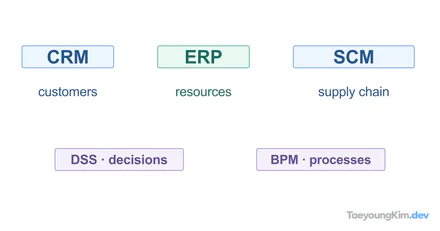
Enterprise systems vocabulary: CRM, SCM, DSS, BPM, and PLM
Identify which enterprise function each system supports, from customer relationships and supply chains to decisions and processes.
CS3 min
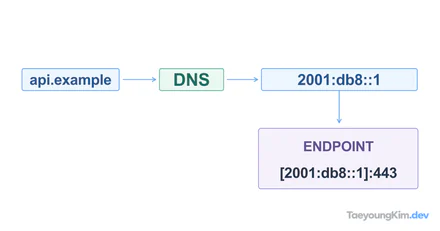
Subnet, IPv6, DNS, VLAN, and Socket: Network Addressing Terms
Distinguish name resolution, address ranges, logical network segments, and communication endpoints.
Linux3 min
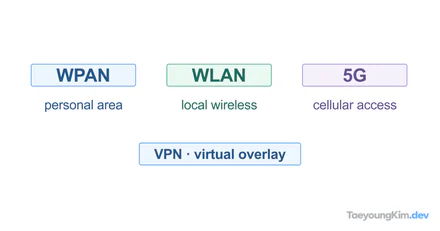
Wireless and network-scope vocabulary: WPAN, WLAN, VPN, and 5G
Compare network coverage, wireless access, 5G service profiles, satellite positioning, and machine-to-machine terms.
Linux4 min
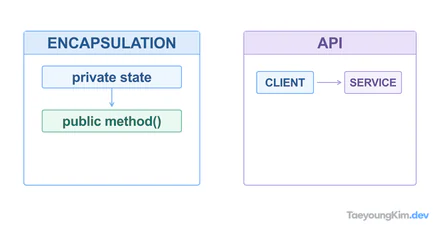
OOP and integration vocabulary: Encapsulation, API, SOAP, and RPC
Separate object-oriented concepts inside a program from APIs, messages, and middleware that connect systems.
CS3 min
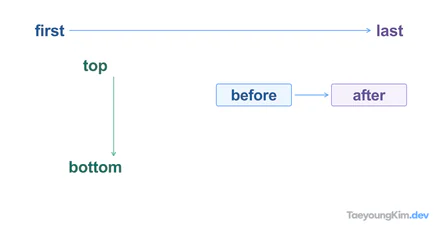
Developer vocabulary for position and direction: first, last, before, after
Learn how position, direction, order, and range words differ in code and documentation by checking their reference point and whether a boundary is included.
CS5 min
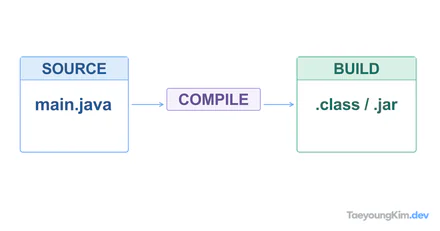
Programming and Build Terms: Compile, IDE, Maven, and Gradle
Separate code transformation, build automation, development environments, and the roles of Maven, Gradle, and Ant.
CS3 min
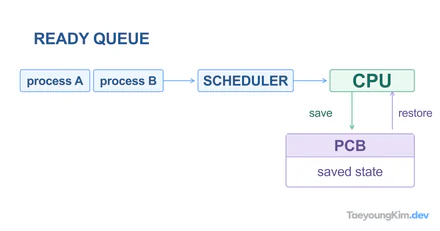
Scheduling, Context Switching, Shell, Pipeline, and PCB
Read process scheduling and context switching separately from command shells and Unix pipelines.
Linux3 min
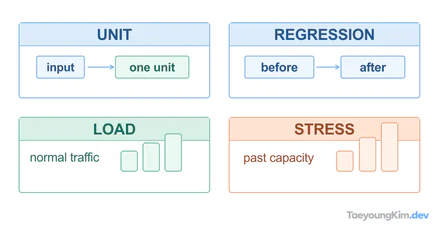
Unit, Regression, Load, and Stress Testing: What Each Test Checks
Compare test scope, expected results, review methods, and normal versus excessive load conditions.
CS3 min
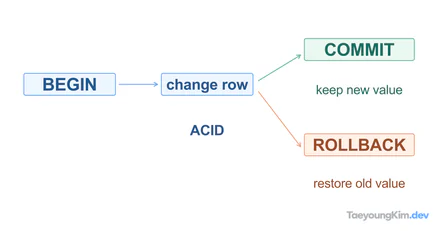
COMMIT, ROLLBACK, and ACID: Transaction Terms in Context
Distinguish transaction completion, partial rollback, ACID properties, recovery terms, and concurrency control.
DB/SQL3 min
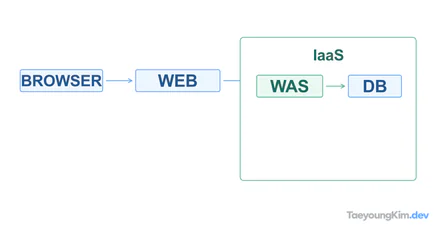
Web and cloud operations vocabulary: WAS, SLA, IaaS, RPO, and HA
Distinguish application servers, cloud service layers, storage connections, availability targets, and recovery objectives.
Cloud3 min
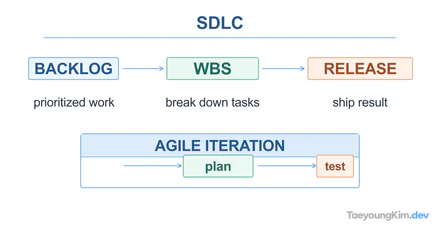
Developer project vocabulary: Agile, backlog, WBS, release, and SDLC
Distinguish a prioritized backlog, a work breakdown structure, a release, and the development lifecycle in project documents.
CS4 min
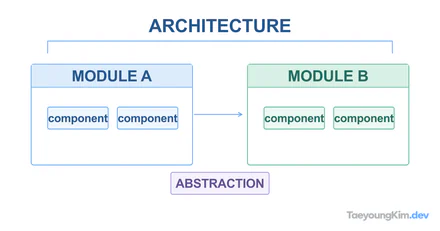
Software design vocabulary: Architecture, module, component, and abstraction
Read system architecture, modules, components, dependencies, cohesion, and related design terms by the responsibility and boundary each describes.
CS4 min
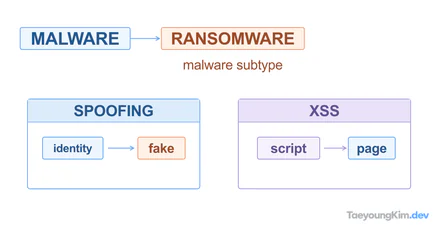
Security attack vocabulary: malware, ransomware, spoofing, and XSS
Distinguish malware types, identity deception, information theft, and web-script injection by what each attack targets and does.
Security4 min
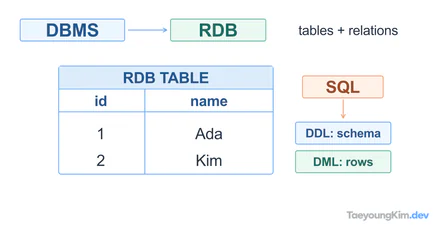
Database vocabulary: DBMS, RDB, SQL, DDL, DML, and related terms
Distinguish a DBMS from stored data, JDBC and ODBC from SQL, and schema, data, permission, and transaction commands by their roles.
DB/SQL4 min
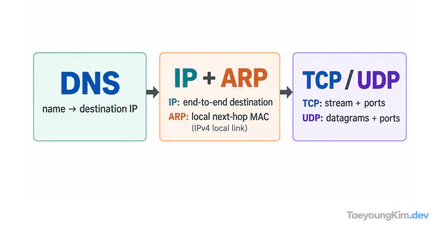
Network protocol vocabulary: OSI, TCP, UDP, IP, and ARP
Place OSI, PDU, TCP, UDP, IP, and ARP at their respective layers to distinguish names, addresses, transport, and data units.
Linux4 min
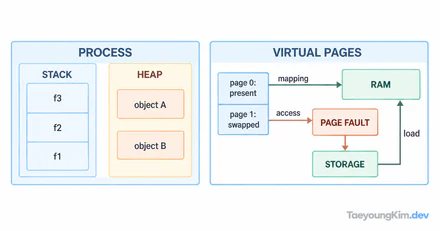
Memory vocabulary: stack, heap, paging, page fault, and thrashing
Separate program memory regions from virtual pages, page replacement, locality, and the performance cost of excessive page faults.
CS4 min
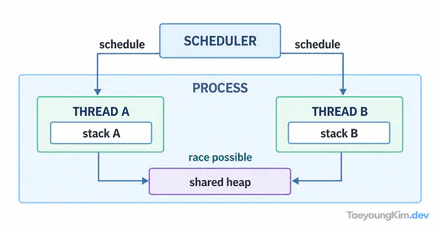
Operating System Terms: Kernel, Process, Thread, and IPC
Distinguish execution units, resource boundaries, scheduling, shared memory, and communication between processes.
CS3 min
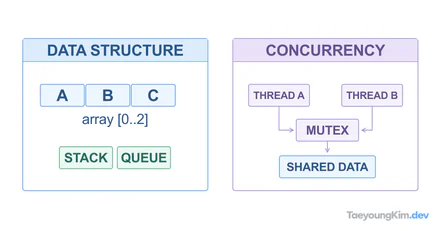
Data Structures and Concurrency Terms: Stack, Queue, Mutex, Deadlock
Distinguish data structures such as arrays, stacks, and trees from coordination terms such as mutexes, semaphores, and deadlocks.
CS4 min
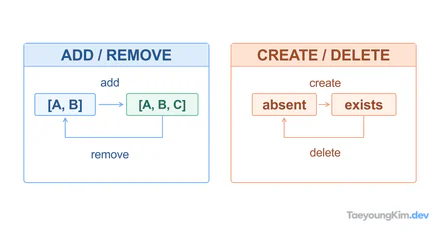
Developer Action Verbs: add, remove, create, delete, push, and pop
Read code verbs by the target they change, from collections and queues to files, connections, and conversions.
CS4 min