

CS
Data structures, algorithms, computer architecture, and system principles independent of a specific language or service.
Articles
19 total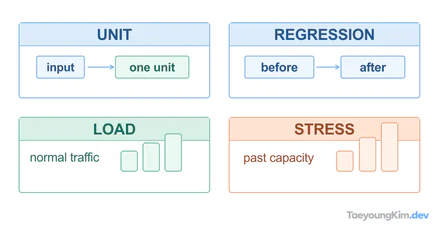
Unit, Regression, Load, and Stress Testing: What Each Test Checks
Compare test scope, expected results, review methods, and normal versus excessive load conditions.
CS3 min
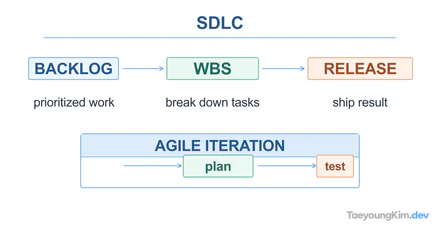
Developer project vocabulary: Agile, backlog, WBS, release, and SDLC
Distinguish a prioritized backlog, a work breakdown structure, a release, and the development lifecycle in project documents.
CS4 min
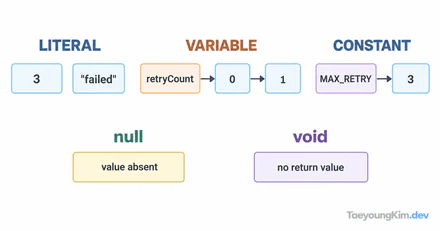
Variable, Literal, Constant, null, and void: Different Kinds of Absence and Value
Distinguish values written in code, names bound to values, missing references, and functions that return no value.
CS3 min
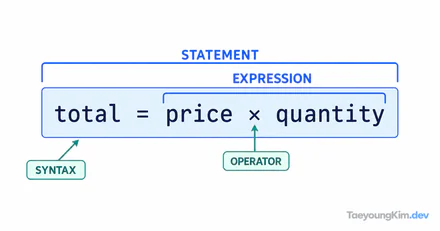
Syntax, Statement, Expression, Operator, and Signature in Code
Separate code-writing rules from executable statements, value-producing expressions, operators, and function signatures.
CS4 min
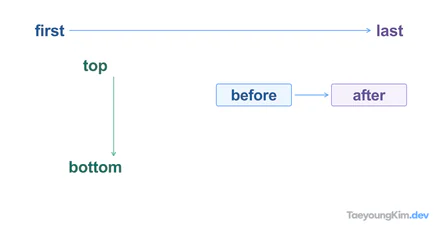
Developer vocabulary for position and direction: first, last, before, after
Learn how position, direction, order, and range words differ in code and documentation by checking their reference point and whether a boundary is included.
CS5 min
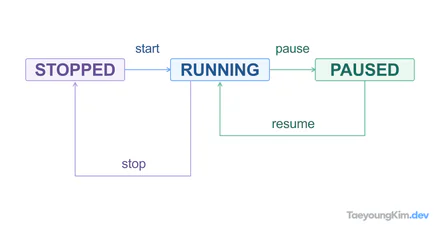
start, stop, pause, and resume: Reading State Changes in Code
Distinguish stopping from pausing and read related state, availability, access, and configuration terms.
CS4 min
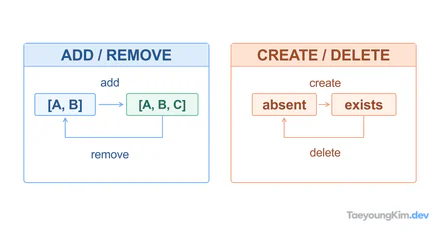
Developer Action Verbs: add, remove, create, delete, push, and pop
Read code verbs by the target they change, from collections and queues to files, connections, and conversions.
CS4 min
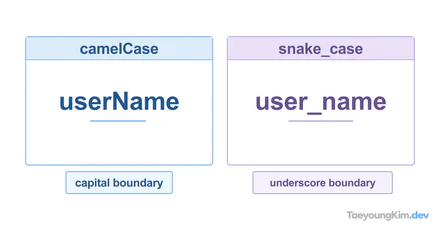
Developer Naming: Nouns, Verbs, camelCase, and snake_case
Read names by their role, then distinguish camelCase, PascalCase, snake_case, and project-specific prefixes.
CS3 min
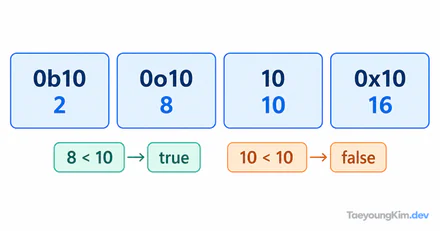
Numbers, Conditions, and Coordinates in Code: binary, true, and offset
Understand number bases, Boolean conditions, and the words used for positions and dimensions in code and UI.
CS3 min